Single-Phase vs Three-Phase Rack PDU: How to Choose the Right One for Your IT Infrastructure
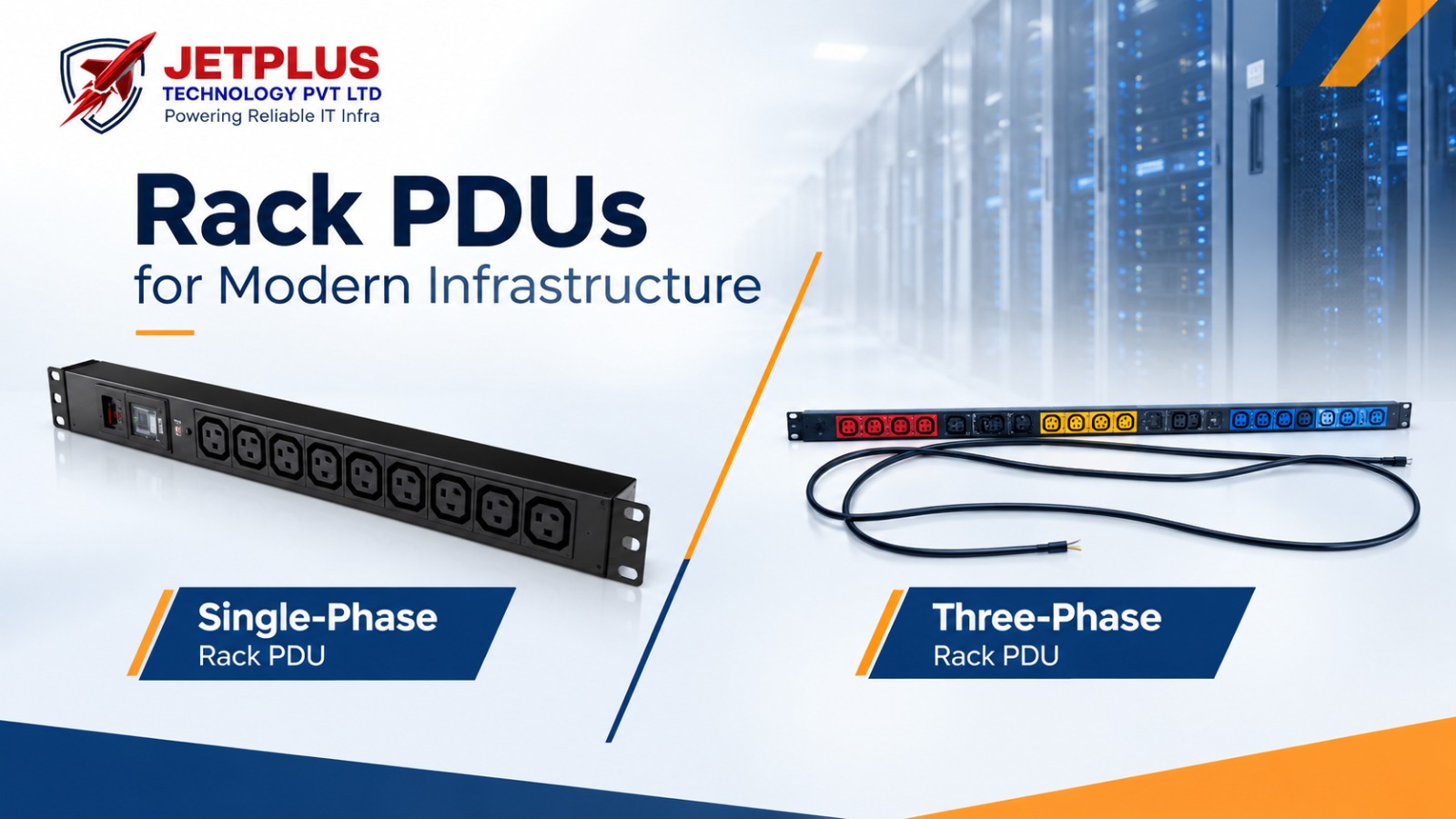
Choosing the right Rack Power Distribution Unit (PDU) is an important part of planning a reliable IT infrastructure. But what is the difference between a single-phase and a three-phase Rack PDU, and which option is suitable for your server rack?
The right choice depends on your electrical supply, connected equipment, power consumption, outlet requirements and plans for future expansion. Understanding these factors can help IT buyers, consultants, system integrators and channel partners make informed decisions about server rack power distribution.
In this guide, we explain the key differences between single-phase and three-phase Rack PDUs, the factors to consider before selecting one, and the monitoring and power-management features that may suit different installations.
1. Understanding Single-Phase Rack PDUs:
A single-phase Rack PDU receives power from a compatible single-phase supply and distributes it to connected IT equipment.
These PDUs may be suitable for network cabinets, branch-office installations, smaller server environments and other applications where the available electrical supply and anticipated load meet the requirements.
When evaluating a single-phase PDU, consider:
- The connected equipment's actual power consumption.
- The PDU's rated voltage and current.
- The number and type of outlets required.
- The input connector and upstream circuit protection.
- The expected increase in power demand as equipment is added.
The main consideration is whether the available single-phase supply can safely and appropriately support the intended rack load.
2. Understanding Three-Phase Rack PDUs:
A three-phase Rack PDU is designed to operate with a compatible three-phase electrical supply.
It is often considered for higher-capacity installations, including dense server racks and data center environments where the electrical infrastructure supports three-phase distribution.
Depending on the PDU design, power can be distributed across the three phases. This can support higher power delivery through a suitable input arrangement and may help simplify distribution in applications with substantial power requirements.
Important considerations include:
- Available three-phase supply and rated electrical capacity.
- The distribution of connected loads across phases.
- Input connector, outlet configuration and circuit protection.
- Compatibility with the equipment being powered.
- Planned rack growth and future power requirements.
A three-phase PDU is not automatically the better choice. The right selection depends on the load, the available supply and the design of the complete electrical system.
3. Single-Phase vs Three-Phase: Understanding the Key Differences:
The primary difference between single-phase and three-phase Rack Power Distribution Units (PDUs) lies in the electrical supply they are designed to use and how power is distributed to connected equipment.
Single-phase Rack PDUs operate with a compatible single-phase electrical supply. They are commonly used in network cabinets, smaller server installations and other IT environments where the available supply and anticipated power demand are suitable for a single-phase configuration. When selecting a single-phase PDU, it is important to consider the rated voltage and current, connected equipment load, input connector, outlet configuration and upstream circuit protection.
Three-phase Rack PDUs are designed for compatible three-phase electrical supplies and are often considered for higher-capacity IT infrastructure and data centre applications. Depending on the PDU design, power can be distributed across multiple phases, making phase balancing an important consideration. The available electrical capacity, current limits, input connection, outlet configuration and protection arrangements must all be evaluated before selecting a suitable model.
From a capacity-planning perspective, three-phase distribution can support higher power delivery in an appropriately designed installation. However, the actual capacity depends on the electrical ratings, supply voltage, current limits and configuration of the PDU and its upstream infrastructure. A three-phase PDU is not automatically the better choice for every application.
Another important consideration is the level of monitoring and control required. Depending on the product range, both single-phase and three-phase PDUs may be available with features such as local metering, remote monitoring or switched outlets. These features should be evaluated separately from the phase configuration, based on the operational requirements of the installation.
Ultimately, the right selection depends on the available electrical infrastructure, expected rack load, equipment compatibility, operational requirements and future expansion plans. Rather than choosing based on phase configuration alone, IT buyers and system integrators should evaluate the complete application before finalising a PDU.
4. Seven Things to Consider Before Choosing a Rack PDU:
Actual power consumption : Start with the expected load of the equipment that will be connected to the rack. Where possible, use measured consumption or appropriate equipment specifications rather than relying only on maximum nameplate ratings. Allow for planned additions and suitable operating headroom.
Available electrical infrastructure: Confirm the electrical supply available at the installation site. Voltage, phase configuration, current rating and input connections must all be compatible with the selected PDU. A PDU should be selected as part of the overall power-distribution design, not in isolation.
Outlet types and quantities: Check the outlet types required by the servers, switches, storage systems and other equipment. The number of outlets matters, but compatibility is equally important. The input connector, output configuration and electrical ratings must match the intended application.
Load distribution and protection: For three-phase systems, appropriate distribution of loads across phases is important. Circuit protection, grounding and the limits of the PDU and upstream electrical infrastructure must also be considered. The final design should be checked by a qualified electrical professional in accordance with the manufacturer's instructions and applicable local requirements.
Monitoring and control: Different projects require different levels of visibility and control. Depending on the available product range, options may include basic power distribution, local metering, remote monitoring or switched outlets. Consider whether the operations team needs only to distribute power or also needs visibility into consumption and the ability to manage equipment remotely.
Redundancy and availability: In environments where uptime is critical, power redundancy may be part of the rack design. Some installations use separate A and B power feeds and compatible dual power supplies to help maintain service during a power-path failure or maintenance event. However, redundancy depends on the entire power architecture, including upstream sources, distribution paths and connected equipment. Simply installing two PDUs does not guarantee independent or redundant power.
Future scalability: Today's rack requirements may not reflect the needs of the next deployment. Consider whether the selected configuration can accommodate additional servers, higher-density equipment or changes in the power architecture. Planning for future requirements can help avoid unnecessary redesign and ensure that capacity decisions are made early.
5. Exploring Rack PDU Solutions Across Multiple Brands:
At JetPlus Technology Pvt. Ltd., we recognise that every IT infrastructure project has different requirements.
Our business works across multiple IT infrastructure brands, including JETRACK, our own brand, alongside established manufacturers such as Rittal, Schneider Electric and APW.
Different projects may require different product configurations, and a suitable selection begins with understanding the application rather than assuming one product or brand will fit every requirement.
For buyers, consultants, system integrators and channel partners, the important considerations remain the same: technical compatibility, power requirements, installation conditions, operational needs and future plans.
Our objective is to help customers explore relevant product options for their project requirements.
6. The Right Selection Starts With the Right Questions:
Before finalising a Rack PDU, ask:
- What is the expected rack load today and in the future?
- Which electrical supply is available at the site?
- Which input connector and outlet types are required?
- Is load monitoring or remote control necessary?
- Are redundancy and future expansion part of the design?
Answering these questions helps narrow down the available options and supports a more informed product-selection process.
Conclusion:
Single-phase versus three-phase is not about which option is universally better. It is about selecting the configuration that fits the application.
A well-considered Rack PDU selection supports appropriate power distribution, effective capacity planning and a more organised IT infrastructure.
At JetPlus Technology, we welcome conversations with IT buyers, consultants, system integrators, resellers and channel partners who are evaluating rack power distribution and other IT infrastructure requirements.
If you are planning an upcoming project or exploring suitable PDU options, Connect Jetplus Technology.
What is the biggest consideration in your PDU selection process: power capacity, monitoring, redundancy or future scalability? Share your perspective in the comments.